
Czech Centre for Human Rights and Democracy
The Centre is an independent academic institution monitoring human rights developments both domestically and worldwide, issuing a monthly Bulletin, as well as organizing conferences.
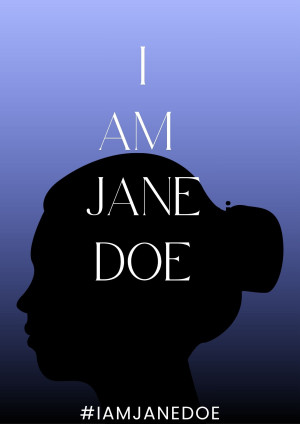
For decades, “Jane Doe” has been a name used for women whose real identities are kept out of the public eye. At Cornell, the woman behind that name is still fighting to keep it that way. Yet thousands of women are now saying something different: “It’s me. I am Jane Doe.”

Recent rulings by the U.S. Supreme Court show that the issue of transgender people in sports remains a hotly debated topic. In most of the USA, only cisgender women are allowed to participate in women’s sports. These rulings raise concerns that, in the future, all U.S. states will be required to enact laws prohibiting transgender women from participating in women’s sports.

The unitary executive theory has gained another win. The US Supreme Court has recently overturned about 90 years of precedent on the limits of presidential powers. It decided two consequential cases for the internal power dynamics within the executive branch. While the full extent of their effects is uncertain, it is sure to be great.
West Africa is facing a silent humanitarian crisis in which children have become the primary victims. Despite international legal commitments to protect their rights, more than 60% of the identified victims of human trafficking in the region are children; many of whom are forced into begging, sexual exploitation, or life on the streets. The United Nations' PAPEV initiative seeks to reverse this trend by rebuilding child protection systems, supporting family reunification, and strengthening cross-border efforts to combat child exploitation.
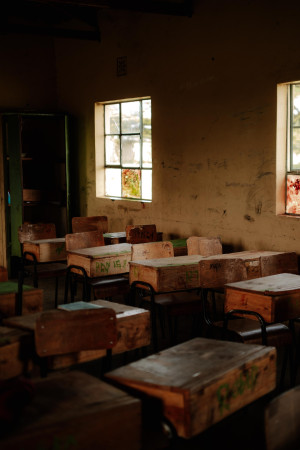
The involvement of children in armed conflicts has reached unprecedented levels, with a record of 38 558 serious violations confirmed in 2025. As modern warfare shifts to urban areas and humanitarian aid is systematically blocked, children face escalating risk of death, injury and exploitation. Recent UN data reveals that for the first time, state actors and government forces are responsible for more violations against children than non-state armed groups. Despite global initiatives and programs actively rescuing thousands of minors, the escalating crisis demands urgent international accountability.
The 70th anniversary session of the UN Commission on the Status of Women focused on removing barriers to access to justice and combating the rising levels of cyber violence against women. While delegates, including representatives from the Czech Republic and the EU, sought ways to strengthen women’s rights, the negotiations culminated in a historic rift when the United States voted against the agreed conclusions for the first time in the Commission's history.
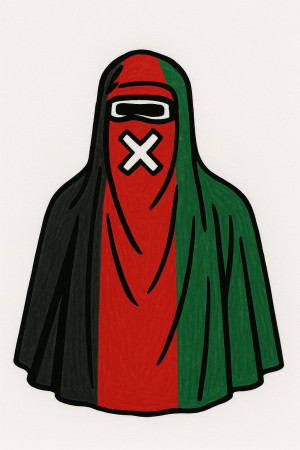
Portugal and Italy are currently moving forward with a new bill that would ban people from covering their faces in public spaces. Both these proposals clearly follow the famous “French model” from 2010. While the bills include many exceptions, it raises important questions about how Europe balances such bans with religious freedom.